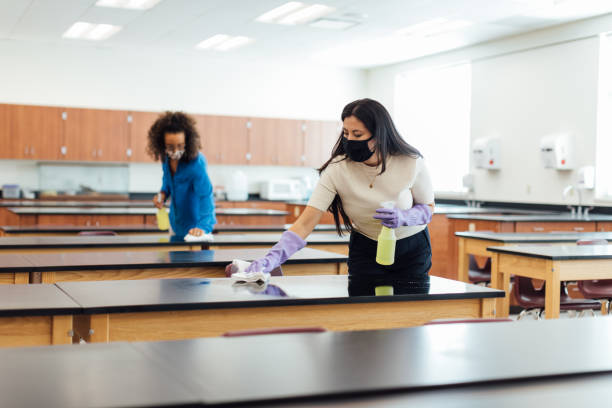
Walk across any Sydney campus on a weekday morning and you’ll see just how much ground a cleaning team has to cover. Lecture theatres, libraries, science labs, food courts, gyms, bathrooms and student accommodation all sit under one roof, and every one of them gets used by hundreds of people before lunchtime. Keeping that many shared spaces genuinely clean, not just tidy, takes more than a mop and a bit of goodwill. It takes a proper plan, and it’s exactly why so many institutions now bring in specialists for university cleaning Sydney rather than trying to manage it all in-house.
Why Campus Hygiene Is a Bigger Job Than It Looks
A university isn’t really one building, it’s dozens of very different environments stitched together. A chemistry lab has completely different cleaning requirements to a lecture hall, and a shared kitchen in student housing is nothing like a library reading room. Add in the sheer number of people passing through each day, plus the fact that door handles, desks, keyboards and handrails get touched by hundreds of hands, and you’ve got a recipe for germs to spread fast if cleaning isn’t consistent. During flu season or exam period, when stress and late nights already take a toll on immune systems, that consistency matters even more.
The Areas That Need the Most Attention
Some spaces demand more care than others. Lecture theatres need regular attention to seating, desks and carpets where food crumbs and dust build up between classes. Libraries are trickier than people expect, with shared study desks, computer stations and quiet corners that rarely get a deep clean unless someone specifically schedules it. Laboratories bring their own rules entirely, often requiring cleaners trained in handling specialised equipment and chemical residue safely. Then there are the practical basics: bathrooms that need servicing multiple times a day, common rooms and food courts that see constant turnover, and student accommodation blocks where hygiene standards can slip quickly without a routine in place.
Health and Safety Benefits for Students and Staff
The health argument for regular, professional cleaning is hard to ignore. Reducing the buildup of dust, allergens and mould, particularly in older heritage buildings that make up a lot of Sydney’s university stock, can noticeably cut down on respiratory complaints among staff and students. Consistent disinfection of high-touch surfaces also slows the spread of colds and flu through a campus, which matters when a single missed lecture can throw off a student’s semester. On top of the obvious wellbeing benefits, universities carry legal obligations under workplace health and safety law to provide safe environments for everyone on site, and a documented cleaning schedule is a key part of meeting that duty.
Scheduling Cleaning Around Academic Life
One thing that sets campus cleaning apart from a standard office contract is timing. Cleaning teams have to work around lecture schedules, exam periods, semester breaks and 24-hour library access without disrupting students trying to study or staff trying to teach. Many providers handle the bulk of their work overnight or in early morning windows, saving deeper jobs like carpet steam cleaning or window washing for semester breaks when buildings are quieter. Flexibility like this is what separates a cleaning company that understands university life from one that simply turns up on a fixed roster.
Sustainability and Eco-Friendly Practices
Most Sydney universities have made public commitments to sustainability, and that extends to how their buildings are maintained. Using low-toxicity, biodegradable cleaning products, reducing single-use plastic packaging, and choosing water-efficient methods for larger jobs all help campuses stay aligned with their own environmental targets. It’s a small piece of a much bigger sustainability picture, but it’s one that students and staff notice, especially on campuses where environmental science and research are part of the institution’s identity.
Choosing the Right Cleaning Partner
Not every cleaning company is set up to handle a site this complex. A good fit will have staff trained across different environments, from labs to accommodation, and will be comfortable working flexible hours without constant supervision. They should also be upfront about compliance, insurance and safety documentation, since universities are accountable to regulators in a way a small retail shop isn’t. Institutions that get this right tend to treat their cleaning provider as a long-term partner rather than a one-off contractor, building a working relationship around university cleaning Sydney needs that change with the academic calendar.
What a Well-Structured Cleaning Contract Looks Like
Universities that get the best results tend to work from a detailed scope of works rather than a vague arrangement. This usually breaks the campus down zone by zone, sets clear frequencies for each task, from daily bin emptying to quarterly carpet extraction, and spells out who is responsible for reporting issues like a broken fixture or a spill outside normal hours. Regular walkthroughs and feedback loops with facilities management help catch problems early, whether that’s a new mould patch appearing in an older building or a lecture theatre that’s seeing heavier use than expected. This kind of structure also makes budgeting easier for the university, since costs are predictable rather than reactive.
At the end of the day, a clean campus isn’t just about first impressions for open days and prospective students, though that matters too. It’s about giving thousands of people a safe, comfortable place to learn and work every single day of the year. Getting the cleaning right, quietly and consistently, is one of those things nobody notices until it goes wrong, which is exactly the point.